
Blog Posts

6 myths about accountability that keep leaders from empowering their teams
Discover six common myths about accountability in leadership and learn how leaders can use accountability to build trust, empower their teams, and create a culture of ownership, not blame.
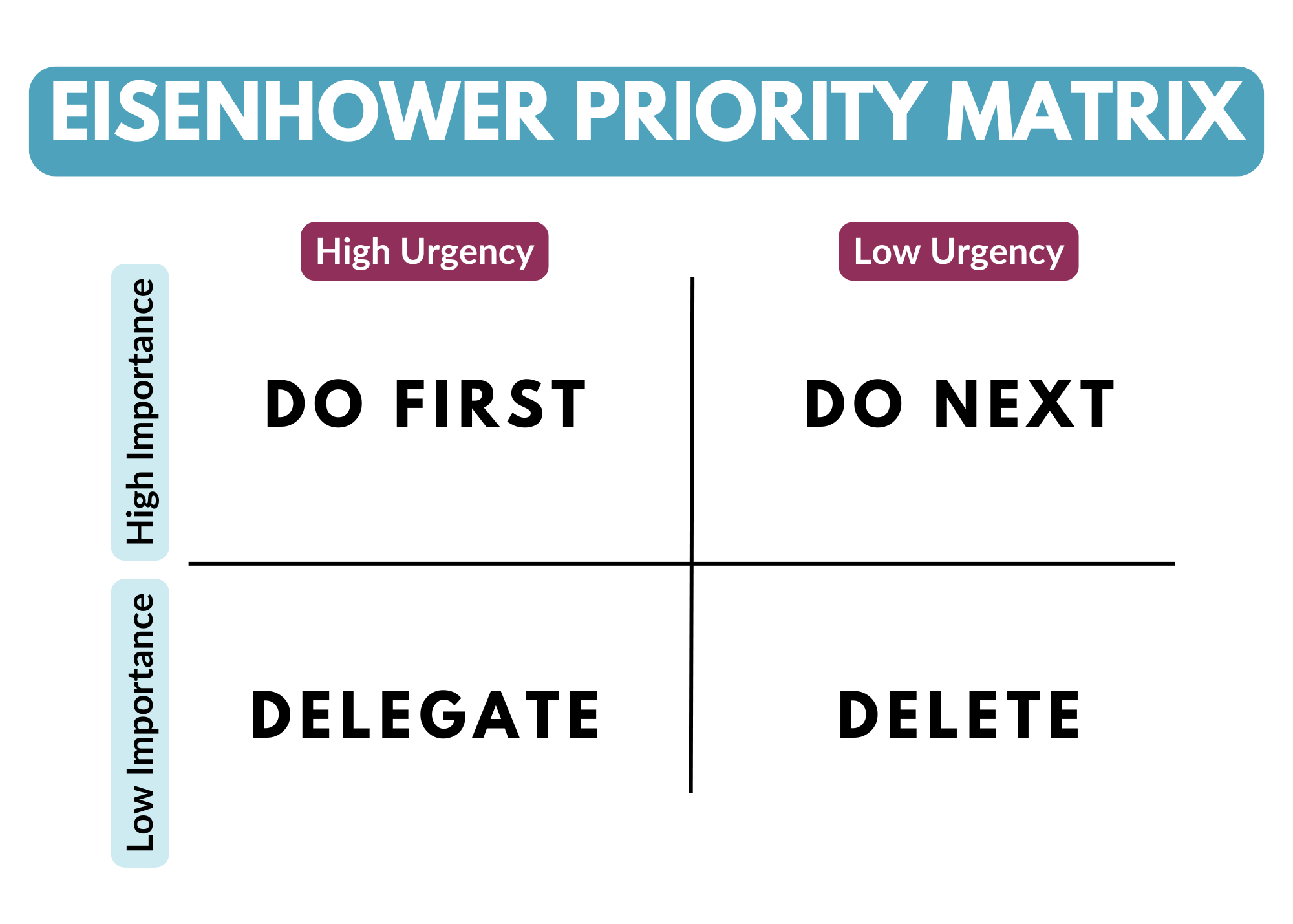
How to prioritize when everything feels urgent
When you're busy and overwhelmed, it can be hard to see your priorities clearly in the moment. What you need is a quick tool you can use each week, day, or hour when you're feeling overwhelmed in order to help you prioritize and know what to focus on next. My favorite way to do this is with the Eisenhower Prioritization Matrix.

How to ask your employees for feedback (and get honest answers)
Are you asking your team members for feedback on you, your leadership style, and your relationship? Even if you have a seemingly great relationship with your employees, don’t you want to know if there are things you could be doing better to make their jobs easier or to build more trust with your team?

The manager's guide to meaningful ongoing employee feedback
Most managers only prioritize feedback once or twice a year during the formal performance review season that their company requires. Discover how to give ongoing, meaningful feedback that boosts employee engagement, retention, and performance all year long. Includes the right positive-to-constructive ratio, timing tips, and channel-by-channel guidance.

Ten habits that quietly cause burnout in leaders
We like to think that the key to burnout prevention is working less, but it's way more complicated than that. You likely have several habits that you think are helping you as a leader but in reality, they're actually causing your burnout and hurting your credibility as a leader. A lot of these habits are what helped you as an individual contributor, and got you where you are today, but they're no longer sustainable.

Why even high-achieving women experience imposter syndrome (and what to do about it)
Imposter syndrome is persistent self-doubt combined with professional fraudulence. I've found it's one of those terms that a lot of people, especially women, can easily label themselves with, but then don't know how to move past it. What's really at the core of imposter syndrome is you don't trust yourself. Continue reading for several exercises to build your confidence and move past imposter syndrome.

How to improve your leadership presence with authority
Instead of being about the power you have, I like to see authority as having an impact on the people around you or the situations you're in. Whether you're managing the people, leading the project, or not, you can still show up with confidence and act with authority. Continue reading for specific techniques including your body language, how you lead meetings, and adding your unique value.
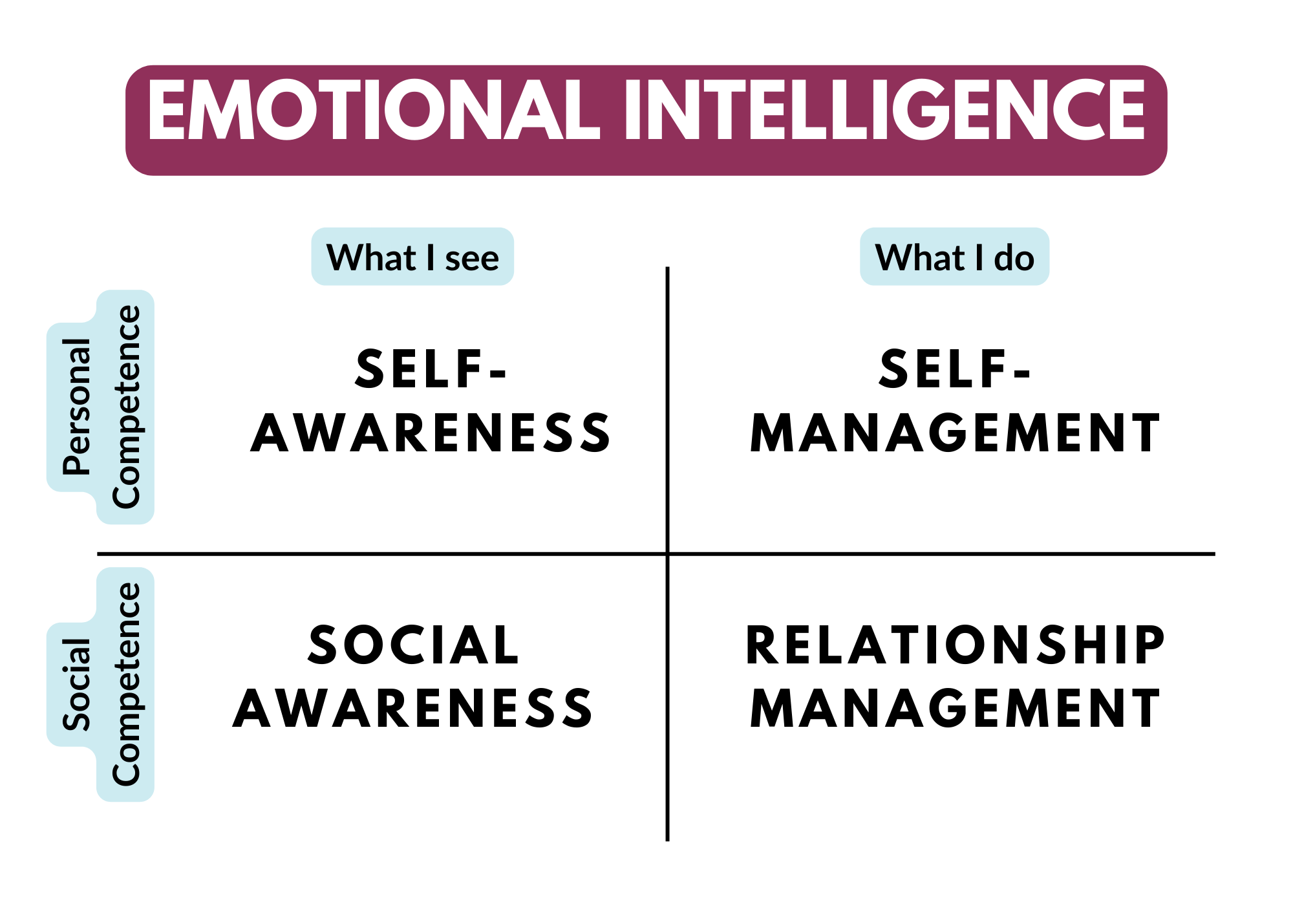
Why is emotional intelligence important for leaders?
Emotional intelligence is the ability to be aware of, control, and express one's emotions, while handling interpersonal relationships. This can be one of the most difficult yet most needed skill of a leader. This is what allows leaders to handle difficult situations most effectively by being a guiding light to others during times of uncertainty. In order to build your own emotional intelligence, you need to focus on the four key skills within emotional intelligence.
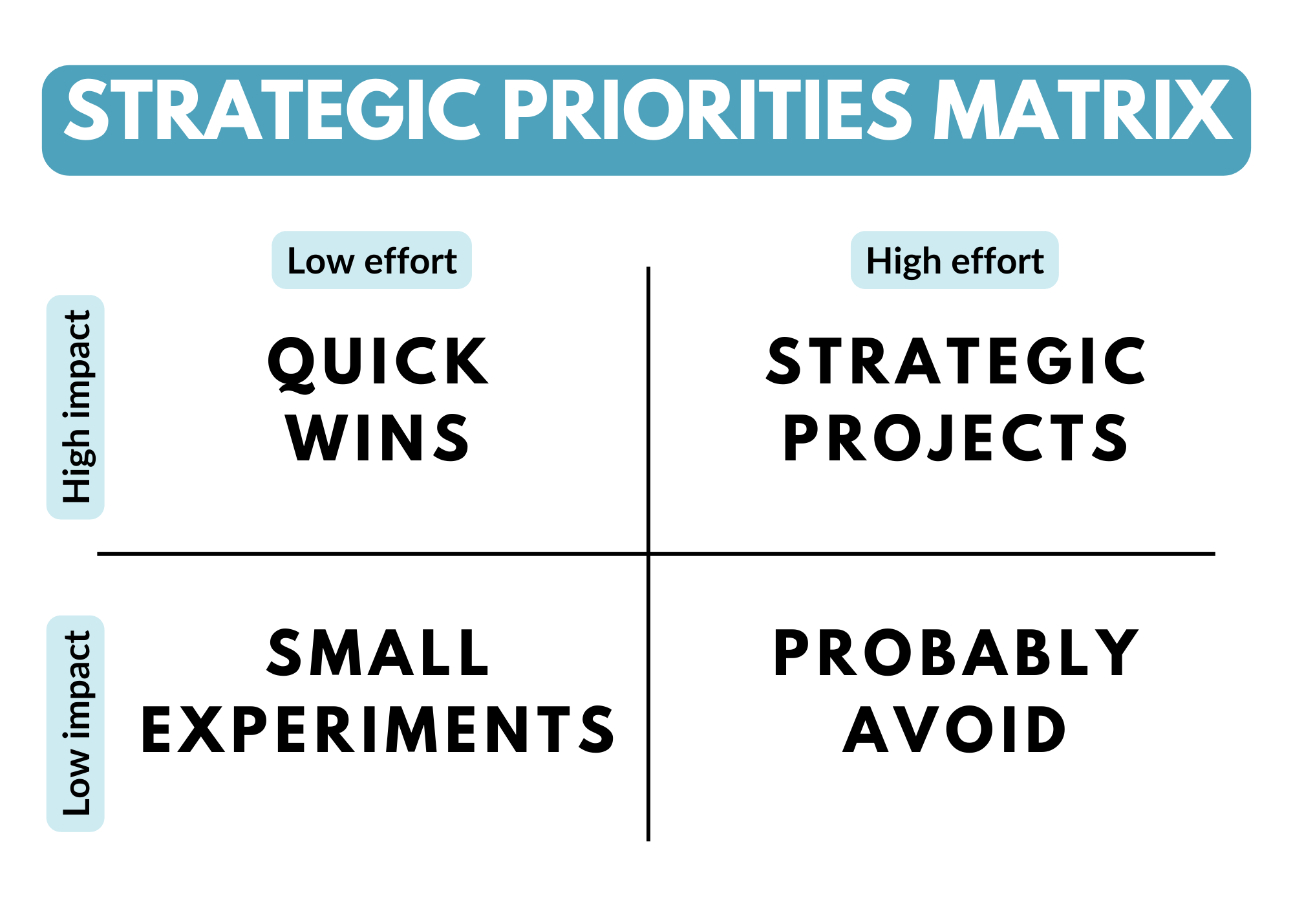
How to strategically prioritize your long-term projects
There are so many different systems and techniques for prioritizing your tasks and projects, but today's framework has become one of my favorites for looking at long-term projects and goals. This is great for any of you who have busy seasons at work, tend to get distracted with new ideas you want to run with, or get overwhelmed when trying to prioritize all the projects on your plate.
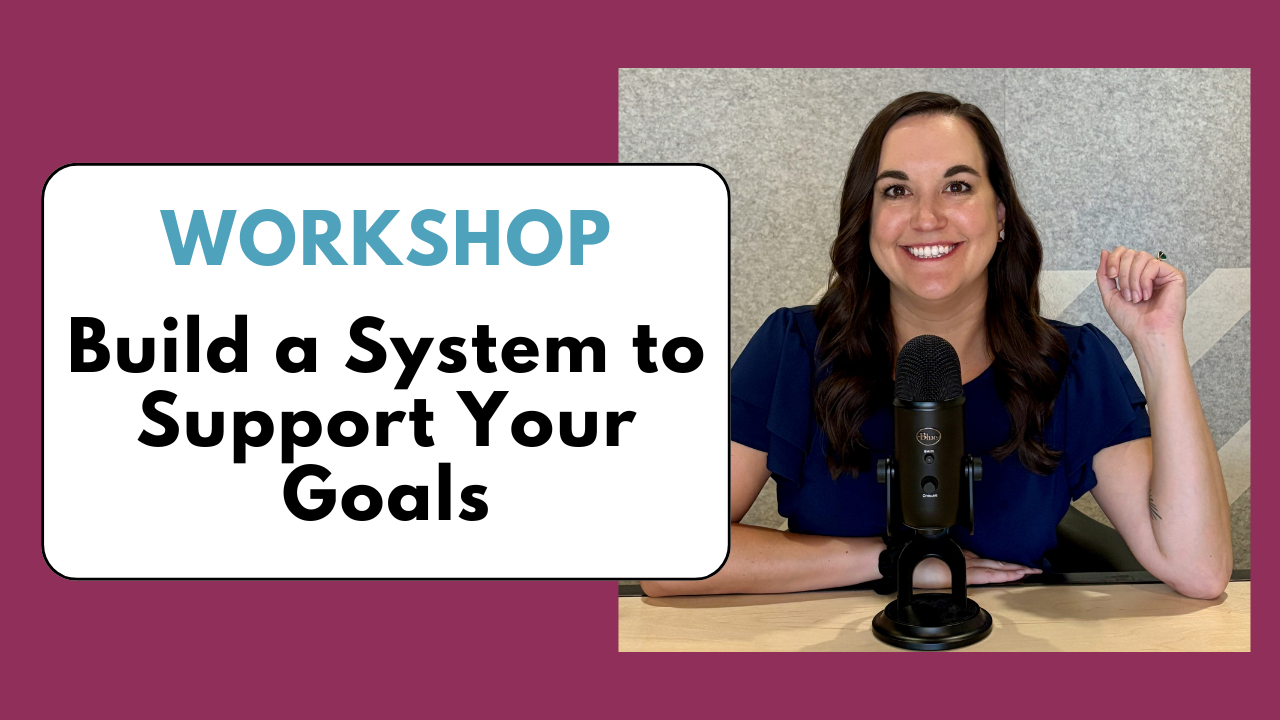
Build a system to support your goals - and your team’s - all year long
Did you know only 25% of employees feel involved in goal-setting? And only 22% agree that they have received meaningful feedback in the last week. Let's change that this year with intentional goal planning. Grab your goals, download the Goal Accountability Worksheet, and follow along this month's workshop to plan your goals more intentionally this year.

Four focus areas to build team culture with purpose
So many people talk about company culture like it's solely based on factors outside of their control, but what I want you to consider is that it's actually an aggregate of each employee, and we're all responsible for intentionally building it. These concepts to building culture are nothing new, but I've found that most organizations are only focused on one, maybe two consistently. In order to make the most impact on building a positive and trusting culture, we need all four of these regularly.
How high-performing leaders track their goals - and their team’s - all year long
Leaders have a lot of goals to stay focused on throughout the year. What I see helps high-performing leaders make consistent progress and stand out among other leaders is the systems they have to support them all year long and more importantly, their commitment to these systems.

Simple ways to plan a thoughtful office holiday party that builds culture
Tis the season for holiday office parties and happy hours! Discover simple, meaningful ways to plan a memorable holiday party for small and mid-sized companies. A leadership guide to inclusive, low-stress celebrations.
How to give feedback to your team during performance reviews
Providing feedback doesn’t have to feel uncomfortable or awkward. Learn practical ways to recognize your employees’ strengths, deliver constructive feedback that motivates change, and create meaningful development plans that keep your top talent engaged all year long. Watch the webinar replay or read the highlights.

How leaders can avoid burnout by understanding the causes and support needed
A recent study shows that 66% of US workers are experiencing some sort of burnout in 2025. Whether or not you're currently feeling burnt out yourself, you're likely surrounded by people who are. I want to help you look at burnout from a new lens that can give you tangible ways to think about what causes it, and in turn, what factors we need to focus on to reduce burnout for ourselves and others that we're working with.

Understanding the roles leaders play from coach, trainer, mentor, and more
As a people leader, you have a lot of layers of responsibilities for each of your employees. Unfortunately, we don't always take the time to fully understand the differences between each role and we don't think proactively about them. So today, I want to challenge you to think about how you approach each of these areas, which you're best at, and which needs more attention and intention.

7 techniques to help you handle conflict at work
Leaders need to be able to navigate conflict in a productive way. Unfortunately, a lot of us are never taught these soft skills of how to handle difficult conversations when emotions may be high. This requires emotional intelligence in order to be able to regulate your own emotions and understand the emotions of the other people involved.

Adaptability is a necessary skill for leaders to handle change
Adaptability is your ability to proactively navigate changing conditions, circumstances, or situations. This is crucial in our current workforce because of the constant changes we're having to react to: new technology evolving quickly, economic and political changes, and a constantly evolving labor market. Continue reading to learn how to navigate through the four phases of change to be more adaptable as a leader.

How leaders can have a growth mindset about conflict
Most people don't like conflict. A lot of us avoid it at all costs, delay it as long as possible, or say anything just to get through it. Sound familiar? But as a leader, conflict is something we need to get more comfortable with navigating, both for ourselves and for our team. When building your growth mindset around conflict, the best place to start is shifting your relationship to conflict.

Six ways to build trust with your coworkers
Trust isn't built overnight. Here are 6 specific, practical ways leaders build real trust with their teams - and why most well-meaning efforts fall short.