
Blog Posts

The manager's guide to meaningful ongoing employee feedback
Most managers only prioritize feedback once or twice a year during the formal performance review season that their company requires. Discover how to give ongoing, meaningful feedback that boosts employee engagement, retention, and performance all year long. Includes the right positive-to-constructive ratio, timing tips, and channel-by-channel guidance.

How to improve your leadership presence with authority
Instead of being about the power you have, I like to see authority as having an impact on the people around you or the situations you're in. Whether you're managing the people, leading the project, or not, you can still show up with confidence and act with authority. Continue reading for specific techniques including your body language, how you lead meetings, and adding your unique value.
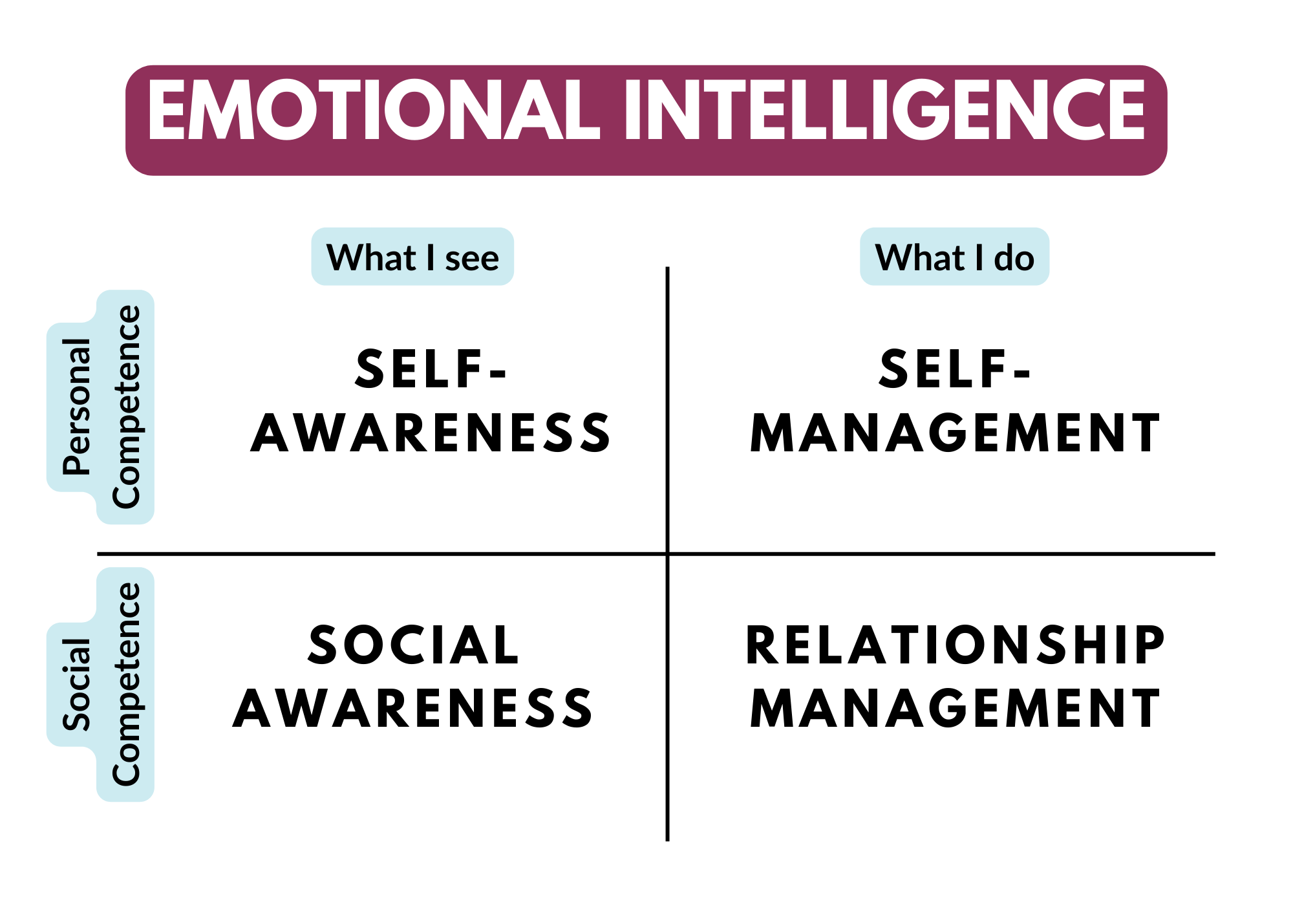
Why is emotional intelligence important for leaders?
Emotional intelligence is the ability to be aware of, control, and express one's emotions, while handling interpersonal relationships. This can be one of the most difficult yet most needed skill of a leader. This is what allows leaders to handle difficult situations most effectively by being a guiding light to others during times of uncertainty. In order to build your own emotional intelligence, you need to focus on the four key skills within emotional intelligence.

7 techniques to help you handle conflict at work
Leaders need to be able to navigate conflict in a productive way. Unfortunately, a lot of us are never taught these soft skills of how to handle difficult conversations when emotions may be high. This requires emotional intelligence in order to be able to regulate your own emotions and understand the emotions of the other people involved.

How leaders can have a growth mindset about conflict
Most people don't like conflict. A lot of us avoid it at all costs, delay it as long as possible, or say anything just to get through it. Sound familiar? But as a leader, conflict is something we need to get more comfortable with navigating, both for ourselves and for our team. When building your growth mindset around conflict, the best place to start is shifting your relationship to conflict.

Six ways to build trust with your coworkers
Trust isn't built overnight. Here are 6 specific, practical ways leaders build real trust with their teams - and why most well-meaning efforts fall short.

Giving and receiving feedback during performance evaluations
A practical guide to navigating performance review feedback - how to deliver it clearly and receive it without getting defensive, from a leadership coach.

How to hold someone accountable as a leader
Holding other people accountable is a key piece of being a manager or leader in an organization. It can be difficult to hold others accountable because each person has different motivations and communication styles that will impact their accountability needs. Continue reading to learn how to get started and what to do when people don't meet your expectations.

How to handle difficult conversations at work (and at home)
Most people tend to put off difficult conversations because they know it will be uncomfortable. I always say, it's better to have the 10 minute uncomfortable conversation now than to simmer in your worry, anxiousness, and uncertainty for weeks, months, or even years for some people. There are a few key skills that you can keep in mind to help navigate these conversations with ease and rip the band-aid off sooner.

How your communication skills may be holding you and your team back
Do you ever think about how your language could be holding you back as a leader? What about how it holds back your team members? All of this could be causing disconnects and miscommunications, and honestly making work harder for you and them. One way to enhance your communication style as a leader is to make it more empowering, for yourself and others.

Navigating difficult times as a leader
These tips have helped me immensely while navigating difficult times personally and professionally from unexpected company restructurings to navigating the pandemic to handling the losses of loved ones. We will continue to need to navigate challenging situations full of uncertainty in the future. And the more intentional you are, the better off you will be to confidently navigate it when the time inevitably comes around again.

Communication habits every leader needs (and a few to avoid)
Communicating like a leader can be one of the hardest leadership skills for both new and seasoned leaders to develop. What makes communication skills so difficult to learn and adjust is that a lot of our current communication skills are our personal habits that we've had most of our lives. When you can hone in on these skills, you'll find your effectiveness increase substantially.

The new manager’s playbook (part 2): expectations with your team
One of the most surprising new responsibilities for professionals transitioning from an individual contributor role into leadership is the new need for strategic thinking. It's less about your own day-to-day tasks or work, and more about bringing other people together to achieve a common vision. Or put simply, you need to be more proactive instead of reactive.