Six ways to build trust with your coworkers
Trust is one of those elusive topics in team development: we all know how important it is but it can be hard to tangibly define or know how to build it.
I define trust as having belief or confidence in someone or something. In a team setting, trust needs to go both ways - you trust the other person and they trust you.
When you have two-way trust with the people you're working with, things seem to move more smoothly and more quickly. It also helps with empowering your team members. Without it, there may be more tension, conflict, and just slower progress.
Trust can make or break a professional relationship or team culture.
It's important to consider that some people build trust very slowly, and you will have to earn it with them. Other people offer more trust upfront and continue to build on it until something breaks it. Either way, trust is typically something that can be lost quickly and will take exponentially more time and energy to rebuild once it's been lost.
Trust is something that we're either building or breaking in every interaction we have with someone.
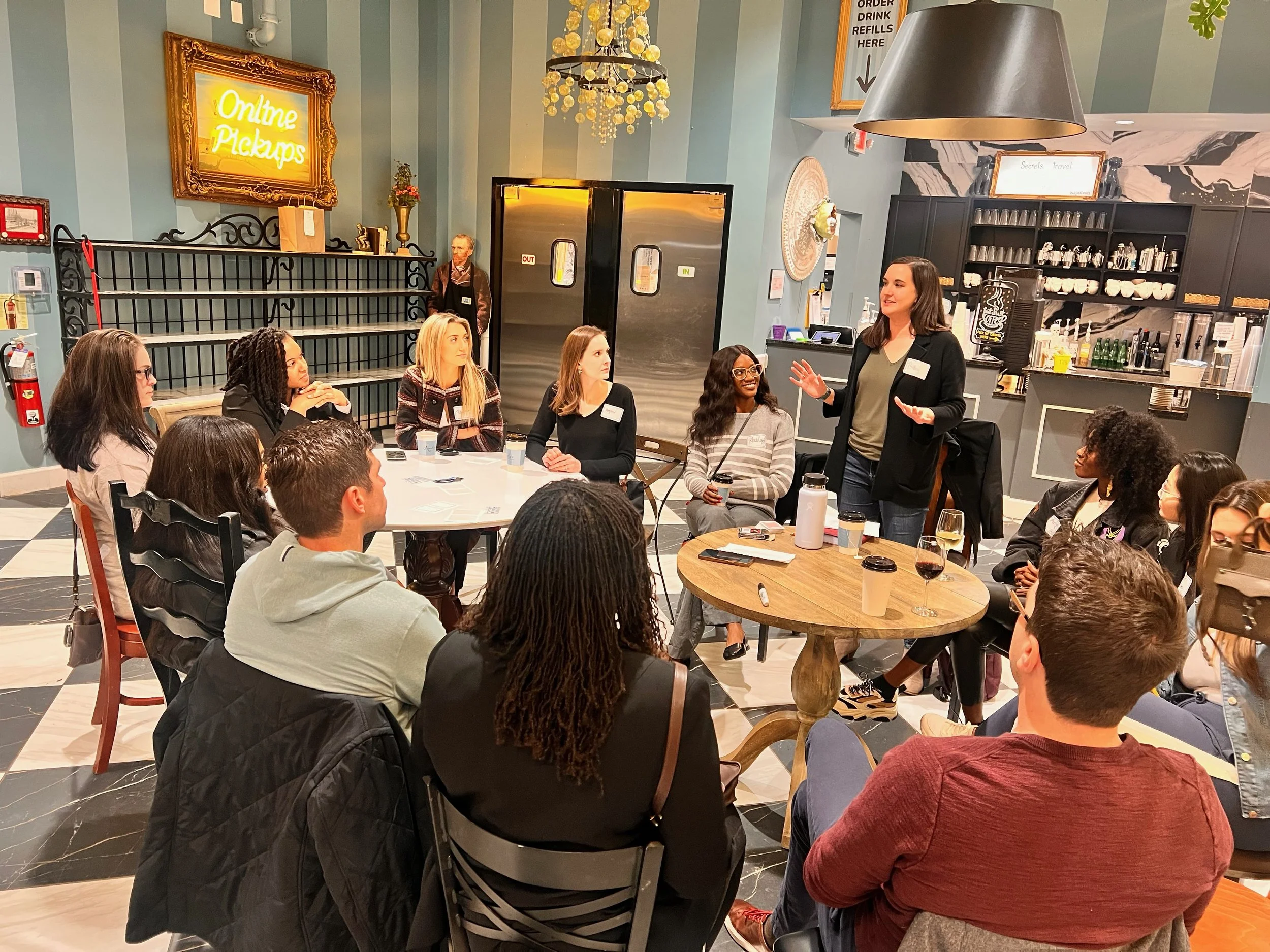
While planning and hosting team-building events for various teams and companies, I've been giving a lot of thought to different ways we can build intentional two-way trust in our professional relationships.
I've found six different categories of trust to measure and build our professional relationships. Each of these have trust-building or trust-breaking activities that can happen on an individual or group basis.
If you're looking to build trust with someone specifically that you work with, I recommend rating your relationship on a scale of 1 to 5 (1 being lowest to 5 being highest) in each of the six categories below. Then, make sure you're removing any trust breaking activities from your interactions in your lowest two categories. Then, choose a few trust-building activities from those categories to add into your interactions more frequently.
All six categories need to be in good standing for there to be two-way trust. I gave each a tagline as if this is the promise you are making to or with the other person for their to be trust.
Integrity: "I have integrity"
What it means: I'm honest, moral, and follow through on my word - you can trust my word. Aligning your words and actions. This might be the hardest to admit to ourselves if we haven't been in integrity with someone or something - so take the time to look for yourself.
Activities that build trust:
Keep your promises: when you say you'll do something, do it. If you can't do it, let them know as soon as possible.
Be transparent with your intentions.
Admit mistakes, take responsibility for your actions.
Activities that break trust:
Breaking promises - not getting things done on time, saying you'll do something and never doing it, not following through.
Not being transparent - not sharing your intentions of why you need something or when something is changing or when something is going wrong - don't wait until the last minute to share.
Lying and manipulating - fake excuses, holding back certain information to get what you want done.
2. Empathy: "I care about you"
What it means: I respect you as a person and want what's best for you, we have a personal connection. We don't have to love the person or want to hang out personally, we just need to know them enough to have a personal connection.
Activities that build trust:
Find commonalities - TV shows, sports, hobbies, books, foods, etc.
Go out of your way to check in with these people - say hello personally daily, check in if they’re having a bad day, ask how their vacation was.
Be present while you're with them - don't be texting or typing while they're talking.
Activities that break trust:
Gossiping - when you talk about them behind their back, or talk about other people in a negative light to them (they'll wonder if you talk about them behind their back too).
Disrespecting them - when you discredit them, make assumptions or judgments about them, say something offensive or judgmental to them.
3. Camaraderie: "We're in this together"
What it means: You can trust me today and in the future. Our mutual support today will make our futures better.
Activities that build trust:
Collective responsibility - using ‘us’ and ‘we’ language about the team to bring people together on a team
Normalize asking for and offering help - so there aren’t negative connotations around this. "What can I do to support you?"
Shared experiences - debriefing after shared experiences (meetings that went well or didn't go well) to learn together and share emotions when appropriate.
Activities that break trust:
Make them take the blame for something - pointing the blame at them without offering to support them or come to a solution.
Putting in your notice to leave - obviously knowing you won't have a professional future together may have some people pull back their trust since you're no longer literally 'in this together.'
4. Reliability: "My work is reliable"
What it means: I'm good at my job, you can trust my work.
Activities that build trust:
Be thorough - if you're not already, double check your reports and emails before you send to fix any mistakes and ensure it is clear from the other person’s perspective.
Communicate clearly - deadlines, expectations, and questions you have.
Be transparent and share your value - share what you're working on and why, how it will impact or support the rest of the team. You may need to go out of your way to do this.
Activities that break trust:
Repeatedly missing deadlines or making mistakes - we're all going to make mistakes occasionally, but you don't want it to become a habit or an expectation from others.
Never connecting your work with theirs - if they never see your work, they won't understand your value to them or to the organization.
5. Respect: "I respect your work"
What it means: Show you respect them and value their work. We need to have clear expectations just like in any other relationship - knowing our lanes and who is responsible for what, and knowing when to go to them.
Activities that build trust:
Respectful communication - communicate in a timely manner, use respectful and professional language in our communications.
Treat them as a subject matter expert of their area - be really clear on what that topic is and what the impact is to the greater organization.
For someone new - discuss roles and responsibilities for each other and discuss how you'll work together, when they should come to you, what you'll need from them, etc.
Activities that break trust:
Disrespecting their work - not taking their recommendations or opinions into consideration, not asking for their professional opinion when it's something related to their work, not respecting their deadlines.
Assuming you know what they do, asking them to work on something that isn't related to their work.
Not offering support to them or their team when needed.
6. Recognition: "We celebrate each other"
What it means: We recognize each other's wins, strengths, and specialties. We take time to intentionally celebrate.
Activities that build trust:
Acknowledge them regularly - sincerely thank them for their work, give them shoutouts in front of others, praise their skills or specialties. You could add this to every team meeting - ask each person to acknowledge someone else on the team.
Advocate for them - share their strengths and wins to other people, especially when they're not in the room.
Activities that break trust:
Not giving them credit for something they did, or you take credit for something you didn't do.
Not celebrating their successes, brush over it, saying 'oh it's their job to do that.'
Building trust is one of six key leadership skills with common blind spots. Take the free Leadership Blind Spot Audit to discover your blind spots. Take the audit here.

Brittany Canaski is a highly-rated Leadership Coach, Trainer, and Founder of Hello Velocity where she builds confident leaders and high-performing teams. When she's not building her business, you can find her planning her next travel adventure with her husband, watching Formula 1 racing, or volunteering in her local community of Charlotte, NC.