
Blog Posts

6 myths about accountability that keep leaders from empowering their teams
Discover six common myths about accountability in leadership and learn how leaders can use accountability to build trust, empower their teams, and create a culture of ownership, not blame.
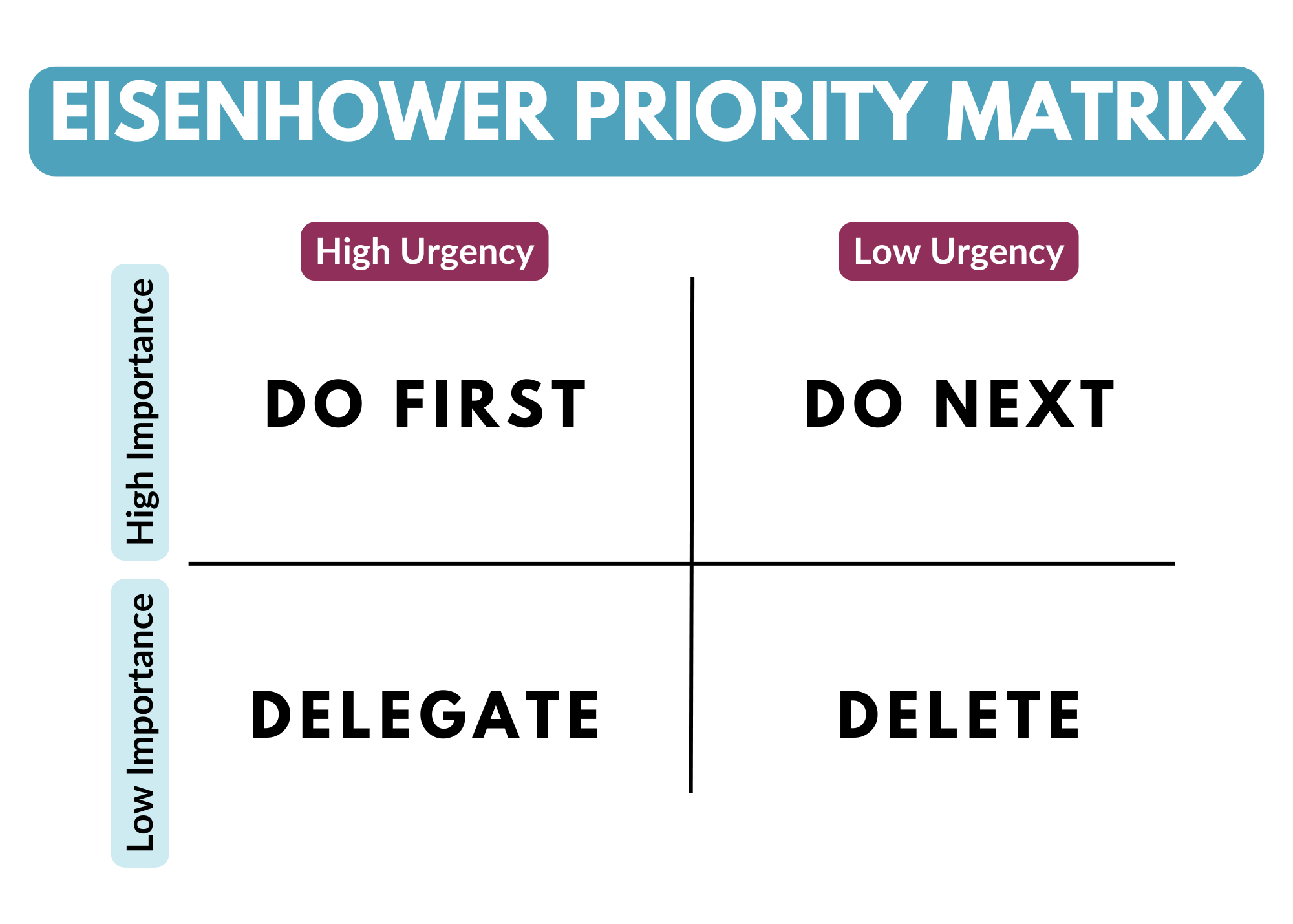
How to prioritize when everything feels urgent
When you're busy and overwhelmed, it can be hard to see your priorities clearly in the moment. What you need is a quick tool you can use each week, day, or hour when you're feeling overwhelmed in order to help you prioritize and know what to focus on next. My favorite way to do this is with the Eisenhower Prioritization Matrix.

How to ask your employees for feedback (and get honest answers)
Are you asking your team members for feedback on you, your leadership style, and your relationship? Even if you have a seemingly great relationship with your employees, don’t you want to know if there are things you could be doing better to make their jobs easier or to build more trust with your team?

The manager's guide to meaningful ongoing employee feedback
Most managers only prioritize feedback once or twice a year during the formal performance review season that their company requires. Discover how to give ongoing, meaningful feedback that boosts employee engagement, retention, and performance all year long. Includes the right positive-to-constructive ratio, timing tips, and channel-by-channel guidance.

Ten habits that quietly cause burnout in leaders
We like to think that the key to burnout prevention is working less, but it's way more complicated than that. You likely have several habits that you think are helping you as a leader but in reality, they're actually causing your burnout and hurting your credibility as a leader. A lot of these habits are what helped you as an individual contributor, and got you where you are today, but they're no longer sustainable.
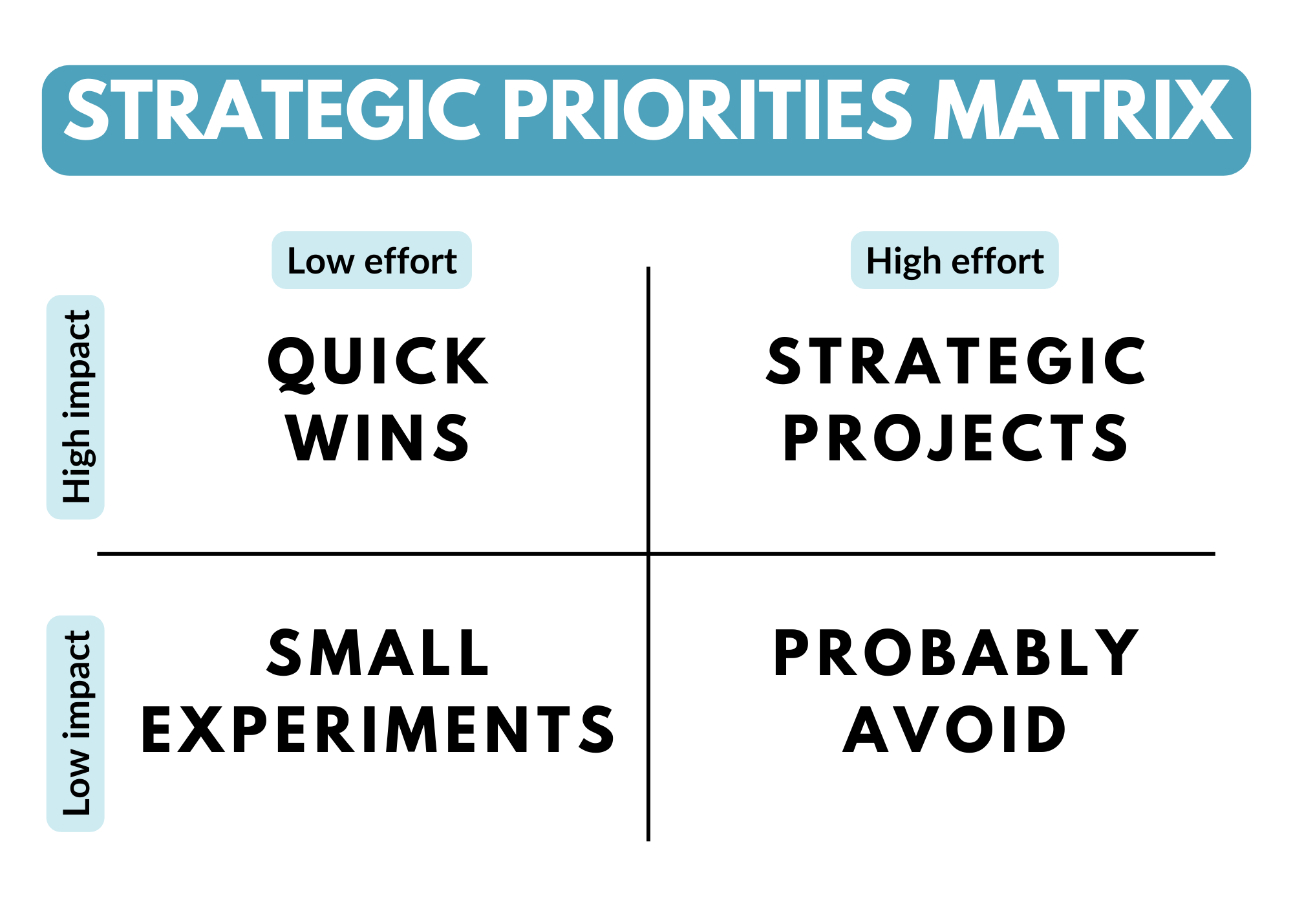
How to strategically prioritize your long-term projects
There are so many different systems and techniques for prioritizing your tasks and projects, but today's framework has become one of my favorites for looking at long-term projects and goals. This is great for any of you who have busy seasons at work, tend to get distracted with new ideas you want to run with, or get overwhelmed when trying to prioritize all the projects on your plate.
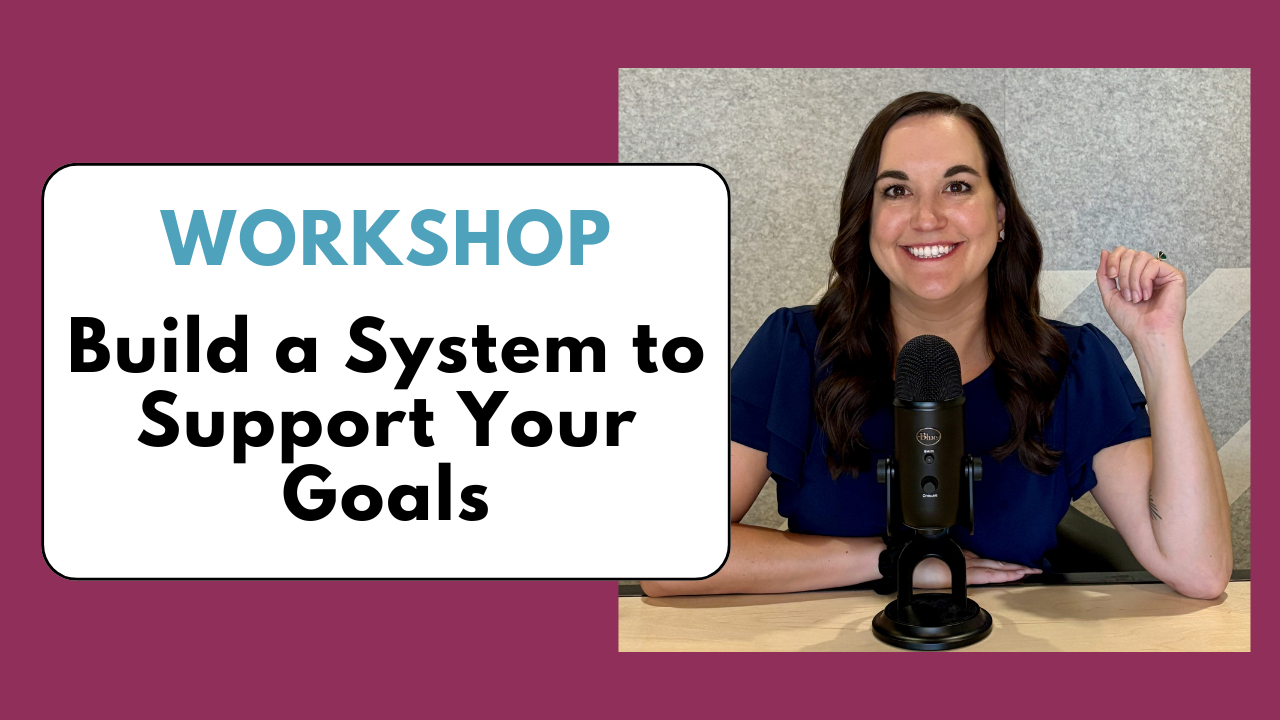
Build a system to support your goals - and your team’s - all year long
Did you know only 25% of employees feel involved in goal-setting? And only 22% agree that they have received meaningful feedback in the last week. Let's change that this year with intentional goal planning. Grab your goals, download the Goal Accountability Worksheet, and follow along this month's workshop to plan your goals more intentionally this year.

Four focus areas to build team culture with purpose
So many people talk about company culture like it's solely based on factors outside of their control, but what I want you to consider is that it's actually an aggregate of each employee, and we're all responsible for intentionally building it. These concepts to building culture are nothing new, but I've found that most organizations are only focused on one, maybe two consistently. In order to make the most impact on building a positive and trusting culture, we need all four of these regularly.
How high-performing leaders track their goals - and their team’s - all year long
Leaders have a lot of goals to stay focused on throughout the year. What I see helps high-performing leaders make consistent progress and stand out among other leaders is the systems they have to support them all year long and more importantly, their commitment to these systems.

How leaders can avoid burnout by understanding the causes and support needed
A recent study shows that 66% of US workers are experiencing some sort of burnout in 2025. Whether or not you're currently feeling burnt out yourself, you're likely surrounded by people who are. I want to help you look at burnout from a new lens that can give you tangible ways to think about what causes it, and in turn, what factors we need to focus on to reduce burnout for ourselves and others that we're working with.

Four different types of delegation you need to know
Delegation isn't one-size-fits-all. Learn the 4 types of delegation, when to use each, and how to stop micromanaging your team.

Strategic thinking techniques to help you be more proactive
Strategic thinking is a very important and useful skill for leaders at any organization since it directly impacts your organization's long term goals. It can also be the thing that sets you apart as an emerging leader, since most individual contributors aren't leveraging their strategic skills. I've found strategic thinking to be one of the leadership skills that can have the biggest impact on an individual and their organization, yet it is rarely taught or discussed.

How and when to delegate as a leader
Delegating can be hard for a lot of leaders when it's one of those skills we're rarely taught how to do but need to be able to do consistently and effectively for it to be effective. A privilege of being in a leadership role is that you get to (and need to) do less of the day-to-day execution of the team's tasks so you can be focused on the long-term projects and strategic planning for the team. Continue reading for simple tips on how to navigate this effectively.

10 signs you (or your leaders) need leadership training
Most people managers or supervisors have been promoted to a leadership position without any leadership training (or guidance even) about how to manage people. Just because they were good at producing the output at an individual level, does not mean they have the tools to lead others to achieve similar outcomes. Continue reading for ten common signs that leadership training would help improve your own performance and that of your team.

How to become an authentic leader
Being authentic as a leader is what will help you stand out, leverage your natural strengths to be your best, and connect with your teams more easily. It's helpful to have role models and mentors to look up to, especially in leadership, however, we're all so unique that what works for one person isn't going to work for everyone. So, we can get the best results for ourselves and our teams when we look inward at our own strengths and qualities and develop a vision and plan for how to be our most authentic self as a leader.

Creating a strategic plan for your team’s goals
A strategic plan helps the leaders and teams break their long-term goals into smaller milestones. It creates an action plan to help the teams get started on these goals and helps them know if they are on track toward their goals throughout the year. It can help empower employees at all levels to better understand how their day-to-day work impacts and contributes to the organization's greater mission and annual goals.

15 quick tips to prioritize your goals, schedule, and focus this year
Feeling scattered? These 15 simple, actionable tips will help you prioritize what matters, protect your schedule, and stay focused without burning out.

Giving and receiving feedback during performance evaluations
A practical guide to navigating performance review feedback - how to deliver it clearly and receive it without getting defensive, from a leadership coach.

How to hold someone accountable as a leader
Holding other people accountable is a key piece of being a manager or leader in an organization. It can be difficult to hold others accountable because each person has different motivations and communication styles that will impact their accountability needs. Continue reading to learn how to get started and what to do when people don't meet your expectations.

How to handle difficult conversations at work (and at home)
Most people tend to put off difficult conversations because they know it will be uncomfortable. I always say, it's better to have the 10 minute uncomfortable conversation now than to simmer in your worry, anxiousness, and uncertainty for weeks, months, or even years for some people. There are a few key skills that you can keep in mind to help navigate these conversations with ease and rip the band-aid off sooner.