Strategic thinking techniques to help you be more proactive
Strategic thinking is a very important and useful skill for leaders at any organization since it directly impacts your organization's long term goals. It can also be the thing that sets you apart as an emerging leader, since most individual contributors aren't leveraging their strategic skills.
I've found strategic thinking to be one of the leadership skills that can have the biggest impact on an individual and their organization, yet it is rarely taught or discussed. Let's change that today with a special highlight on strategy.

Photo by The Wilson Media Co.
What is strategic thinking?
A way of thinking in the context of long-term goals that considers multiple perspectives, is proactive, and results in better preparation for the future.
What are the benefits of being strategic?
We can delegate more and manage the workload across the team more effectively
We can plan ahead proactively
We can adapt to change more easily and adjust our plans and priorities as needed
What happens when you aren't being strategic?
As leaders, we will get too caught up in the weeds of our team’s work
We end up simply reacting to external circumstances, not being proactive to look or plan ahead
We get stuck on auto-pilot
How does strategic thinking impact your organization?
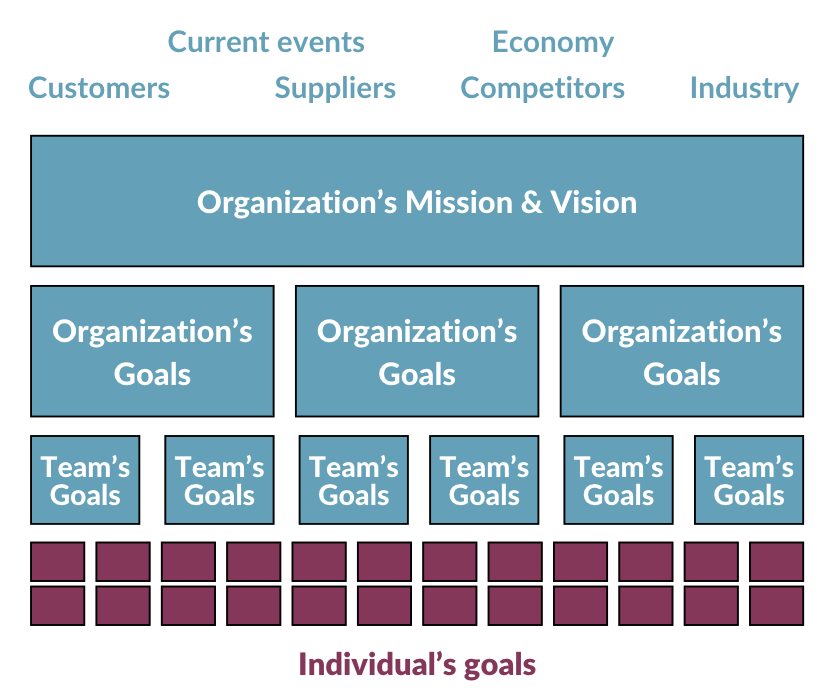
As an individual contributor, you’re typically focused solely on your own goals and your day-to-day work. As a leader, you need to be able to see the bigger picture of your whole team coming together for the greater goals of the organization to be successful.
Unfortunately, in most organizations, senior leadership is focused on factors like the organization's high level goals and the external factors of the market. Then departments and teams are individually focused on their own goals, not the higher level view of the company or market. So there becomes a disconnect between what the teams are doing, what support they need, and what the leadership team wants them to focus on.
What are some examples of being strategic at work?
Mapping out your long-term goals and projects, breaking them into smaller milestones and steps.
When leading a project, you're always planning a few steps ahead and regularly get buy-in from all other parties involved.
You regularly take the time to research or learn about what's happening in your industry, with your clients, suppliers, the economy, and other current events that may impact your business (industry-specific newsletters are a great place to start).
You're proactively and regularly discussing with your employees about their long term career development goals.
How can I start being more strategic?
The key here is being proactive with your time. Most people who aren't being strategic simply aren't dedicating any time for it because they're 'so busy.' But I'd argue that by taking an hour a week to think more strategically about what you work on, you'll save yourself more time over the long run.
Some places to start regularly dedicating time to strategic thinking and planning:
Each Monday you dedicate an hour (or however long you need) to looking ahead at your calendar and blocking additional time to prep for specific meetings, travel, or meeting follow ups so you're intentionally prepared and not just reacting to your calendar.
At the end of each month you reflect on what's working and what's not working in your habits, projects, and goals and then adjust as needed. Most people wait until something is broken to fix it, this has you being more proactive to continually refine your processes.
At the beginning of each month you set specific goals or priorities for yourself and your team based on your long-term goals and projects. You don't just wait for projects to come your way, you plan them out intentionally and prioritize effectively.
What are some techniques to help with strategic thinking?
Try each of these and see what works best for you. Keep in mind it may depend on the type of project and where you're at in the planning process.
Mind mapping
Great for: Projects that are new to you and have a lot of factors involved and you don't know where to start.
How it works: Map out your ideas visually starting with the main topic in the middle of the page, then draw a line out from the main topic for each sub-topic, then lines off of each of those for sub-topics off of those ideas. Continue until you've captured all of your ideas.
Backward planning
Great for: Projects where you're familiar with the steps needed, already have deadlines (or just need to fill in dates), or where you feel overwhelmed with the number of steps.
How it works: List out your steps in reverse chronological order, beginning with the deadline.
Brain dump
Great for: When you have a lot of ideas you want to get out of your head but aren't sure how they all connect yet.
How it works: Set a timer for 5 minutes and list out your steps and ideas in any order to get them out of your head. Then organize the list in chronological order, if applicable.
Five key steps
Great for: When you tend to focus on the minor details in a big project but need to think about the biggest milestones or variables involved.
How it works: Start thinking through what it will take to achieve your end goal. Narrow down your ideas to the five key steps and prioritize those.
Strategic Thinking is one of six skills covered in the free Leadership Blind Spot Audit… take it to see where your blind spots really are. Take the audit here.

Brittany Canaski is a highly-rated Leadership Coach, Trainer, and Founder of Hello Velocity where she builds confident leaders and high-performing teams. When she's not building her business, you can find her planning her next travel adventure with her husband, watching Formula 1 racing, or volunteering in her local community of Charlotte, NC.