
Blog Posts
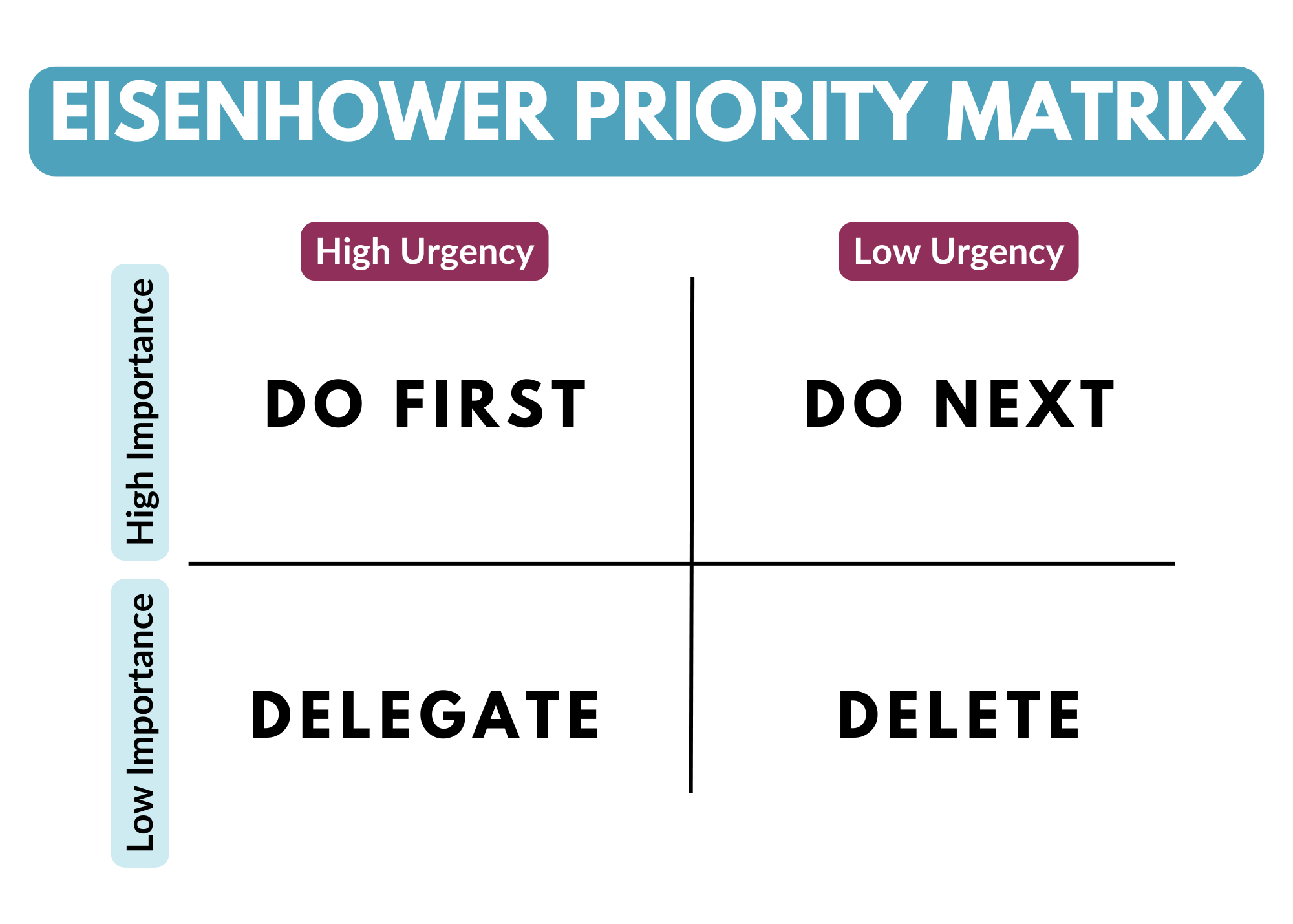
How to prioritize when everything feels urgent
When you're busy and overwhelmed, it can be hard to see your priorities clearly in the moment. What you need is a quick tool you can use each week, day, or hour when you're feeling overwhelmed in order to help you prioritize and know what to focus on next. My favorite way to do this is with the Eisenhower Prioritization Matrix.
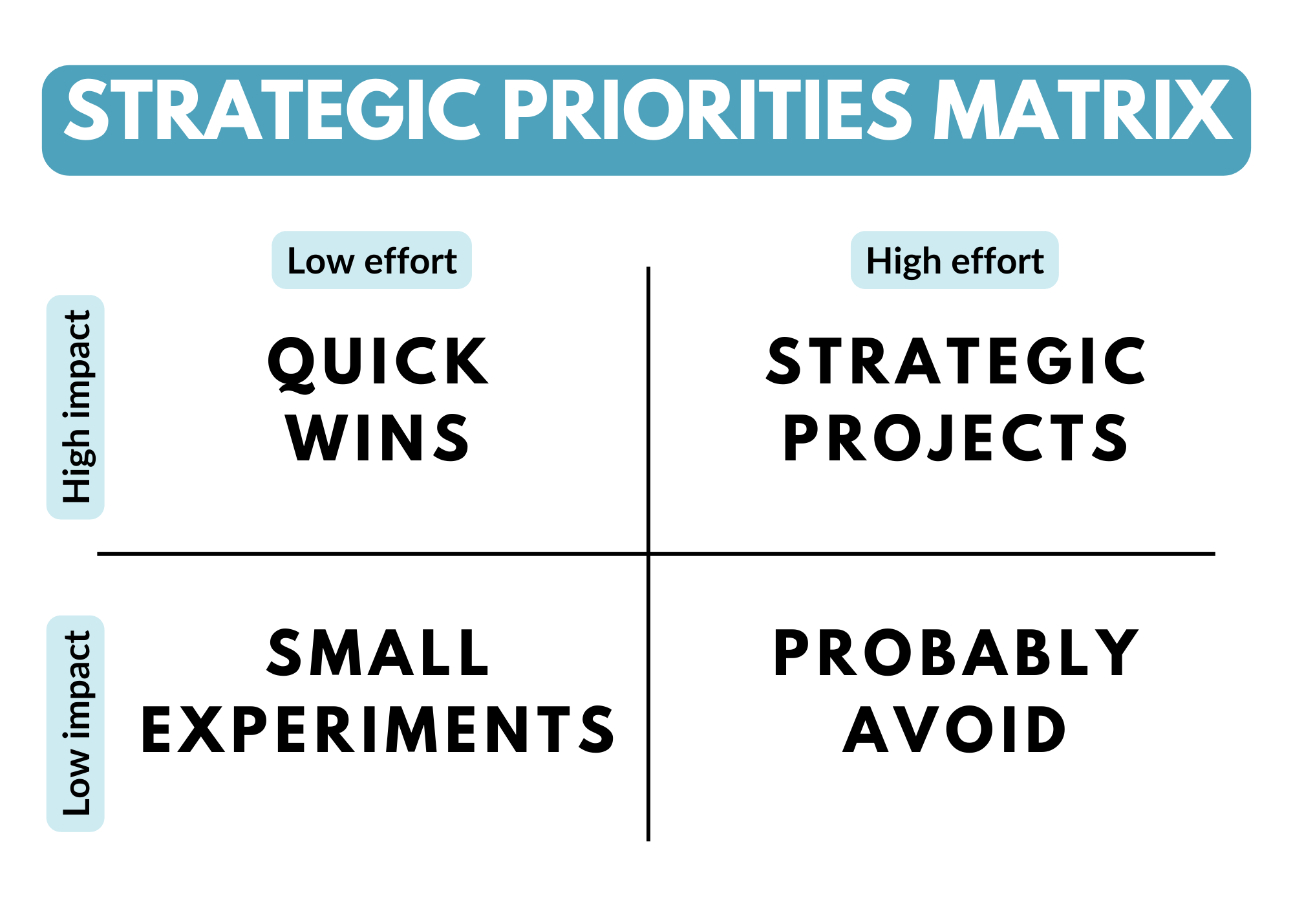
How to strategically prioritize your long-term projects
There are so many different systems and techniques for prioritizing your tasks and projects, but today's framework has become one of my favorites for looking at long-term projects and goals. This is great for any of you who have busy seasons at work, tend to get distracted with new ideas you want to run with, or get overwhelmed when trying to prioritize all the projects on your plate.
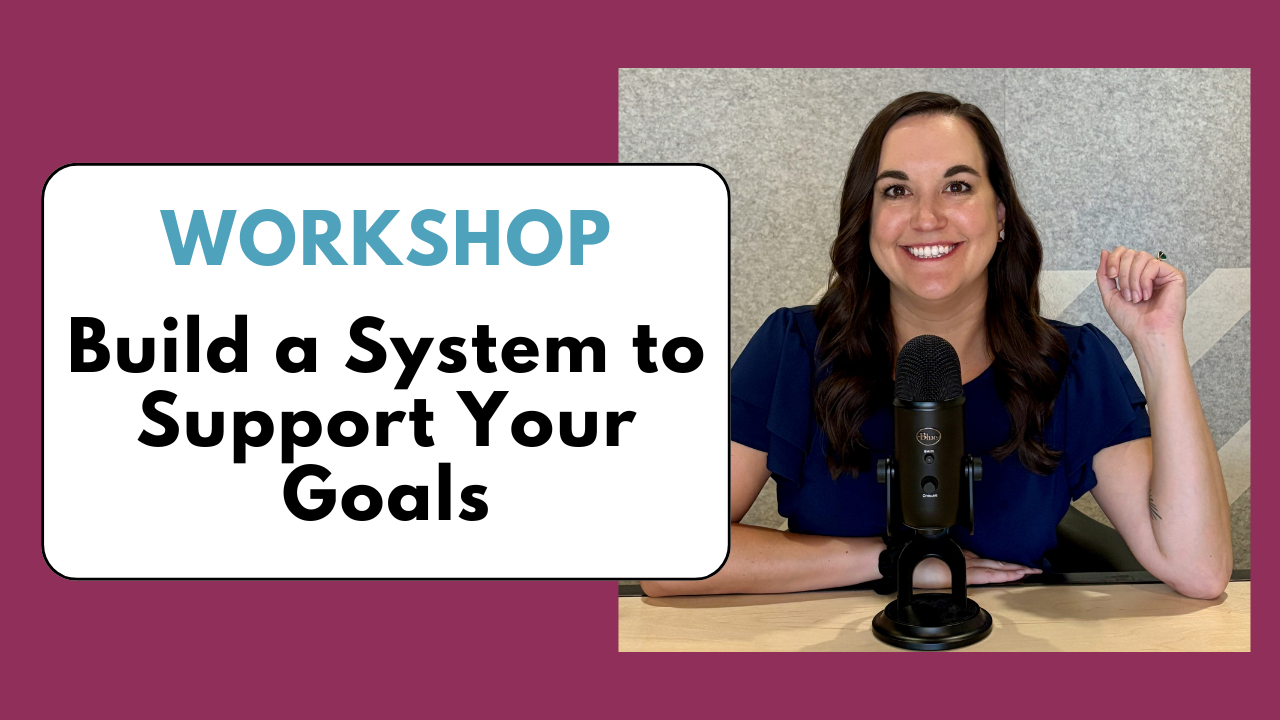
Build a system to support your goals - and your team’s - all year long
Did you know only 25% of employees feel involved in goal-setting? And only 22% agree that they have received meaningful feedback in the last week. Let's change that this year with intentional goal planning. Grab your goals, download the Goal Accountability Worksheet, and follow along this month's workshop to plan your goals more intentionally this year.
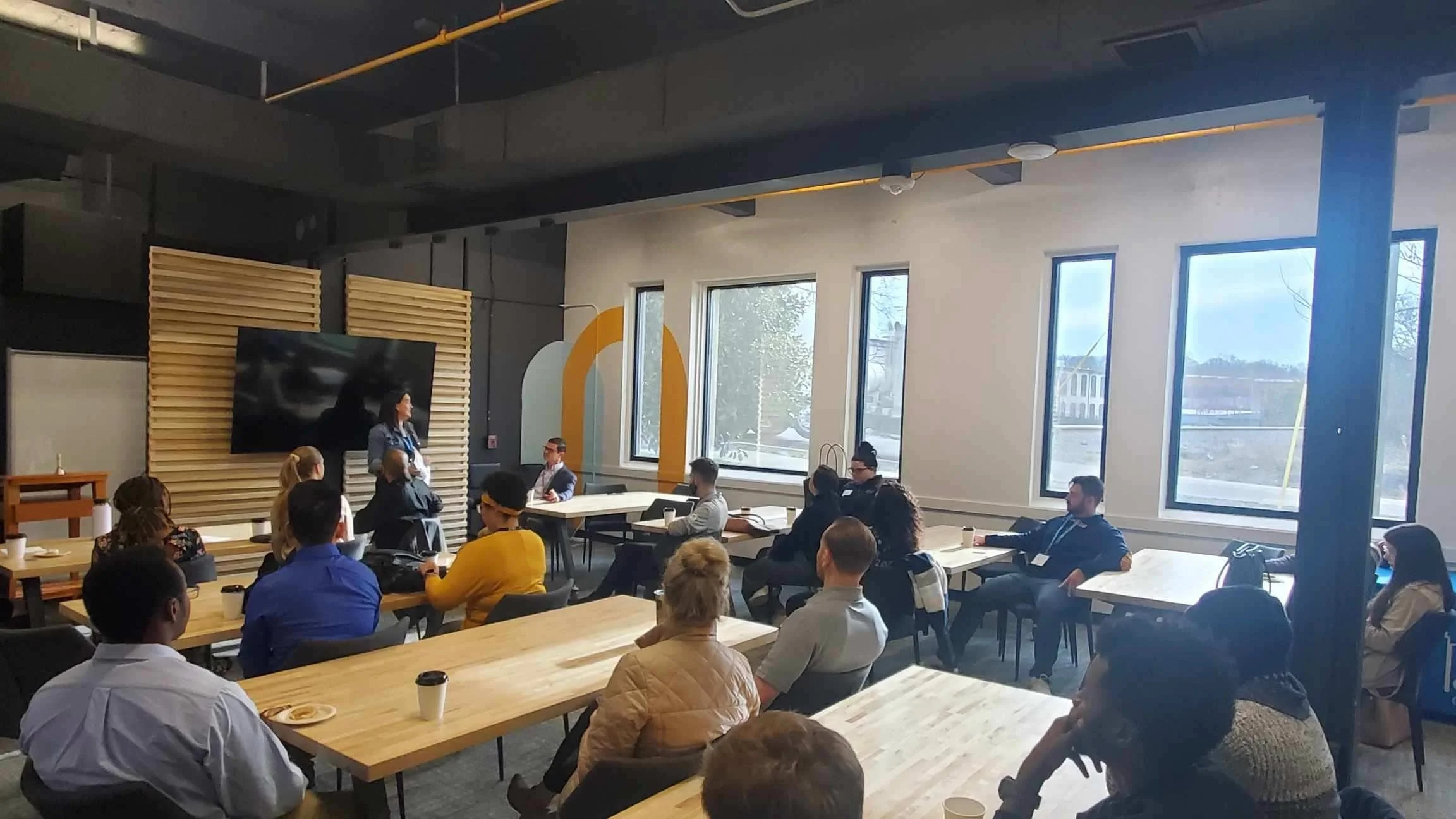
Four focus areas to build team culture with purpose
So many people talk about company culture like it's solely based on factors outside of their control, but what I want you to consider is that it's actually an aggregate of each employee, and we're all responsible for intentionally building it. These concepts to building culture are nothing new, but I've found that most organizations are only focused on one, maybe two consistently. In order to make the most impact on building a positive and trusting culture, we need all four of these regularly.
How high-performing leaders track their goals - and their team’s - all year long
Leaders have a lot of goals to stay focused on throughout the year. What I see helps high-performing leaders make consistent progress and stand out among other leaders is the systems they have to support them all year long and more importantly, their commitment to these systems.

Understanding the roles leaders play from coach, trainer, mentor, and more
As a people leader, you have a lot of layers of responsibilities for each of your employees. Unfortunately, we don't always take the time to fully understand the differences between each role and we don't think proactively about them. So today, I want to challenge you to think about how you approach each of these areas, which you're best at, and which needs more attention and intention.

Adaptability is a necessary skill for leaders to handle change
Adaptability is your ability to proactively navigate changing conditions, circumstances, or situations. This is crucial in our current workforce because of the constant changes we're having to react to: new technology evolving quickly, economic and political changes, and a constantly evolving labor market. Continue reading to learn how to navigate through the four phases of change to be more adaptable as a leader.

Strategic thinking techniques to help you be more proactive
Strategic thinking is a very important and useful skill for leaders at any organization since it directly impacts your organization's long term goals. It can also be the thing that sets you apart as an emerging leader, since most individual contributors aren't leveraging their strategic skills. I've found strategic thinking to be one of the leadership skills that can have the biggest impact on an individual and their organization, yet it is rarely taught or discussed.

10 signs you (or your leaders) need leadership training
Most people managers or supervisors have been promoted to a leadership position without any leadership training (or guidance even) about how to manage people. Just because they were good at producing the output at an individual level, does not mean they have the tools to lead others to achieve similar outcomes. Continue reading for ten common signs that leadership training would help improve your own performance and that of your team.

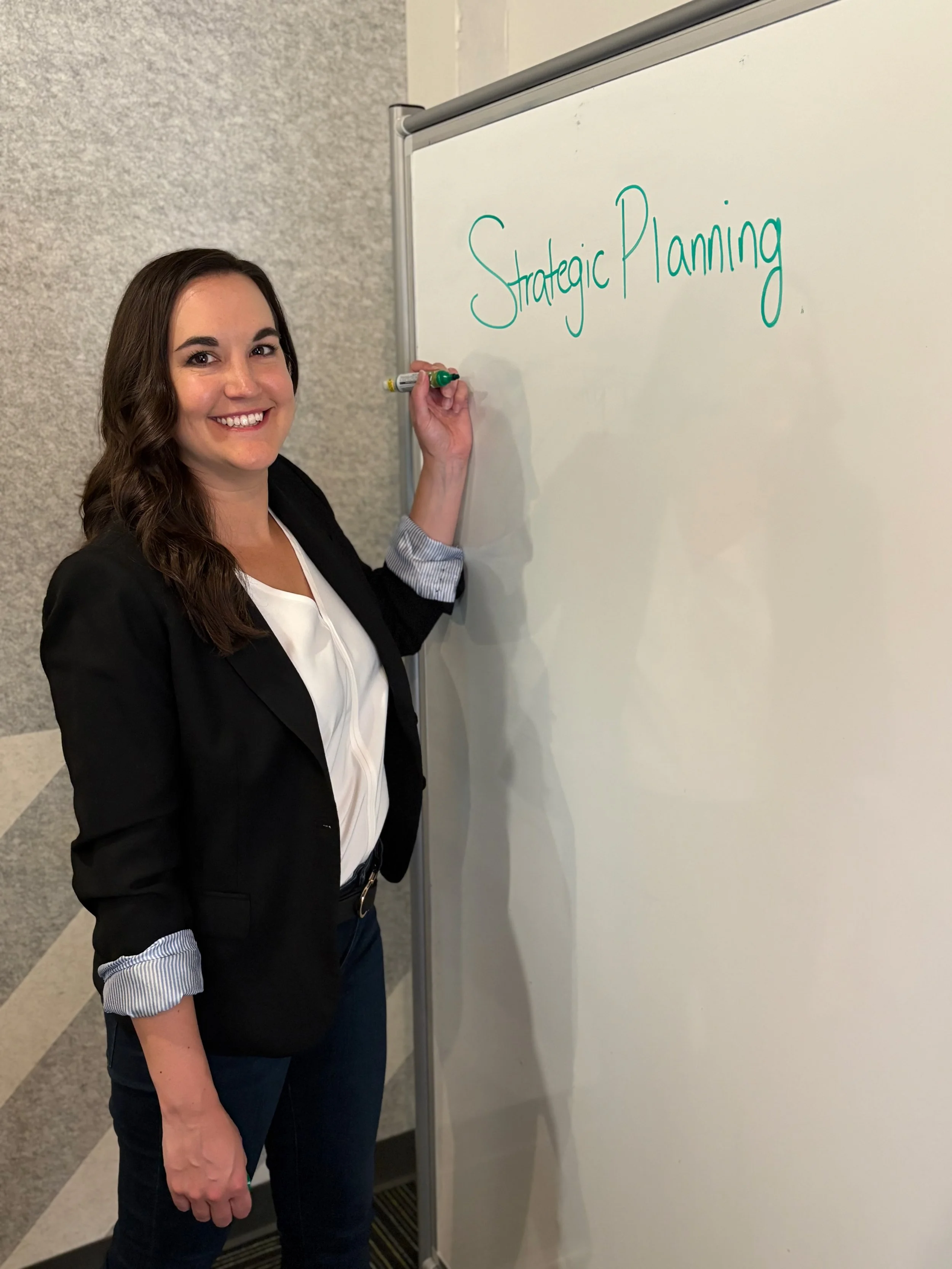
Creating a strategic plan for your team’s goals
A strategic plan helps the leaders and teams break their long-term goals into smaller milestones. It creates an action plan to help the teams get started on these goals and helps them know if they are on track toward their goals throughout the year. It can help empower employees at all levels to better understand how their day-to-day work impacts and contributes to the organization's greater mission and annual goals.