
Blog Posts
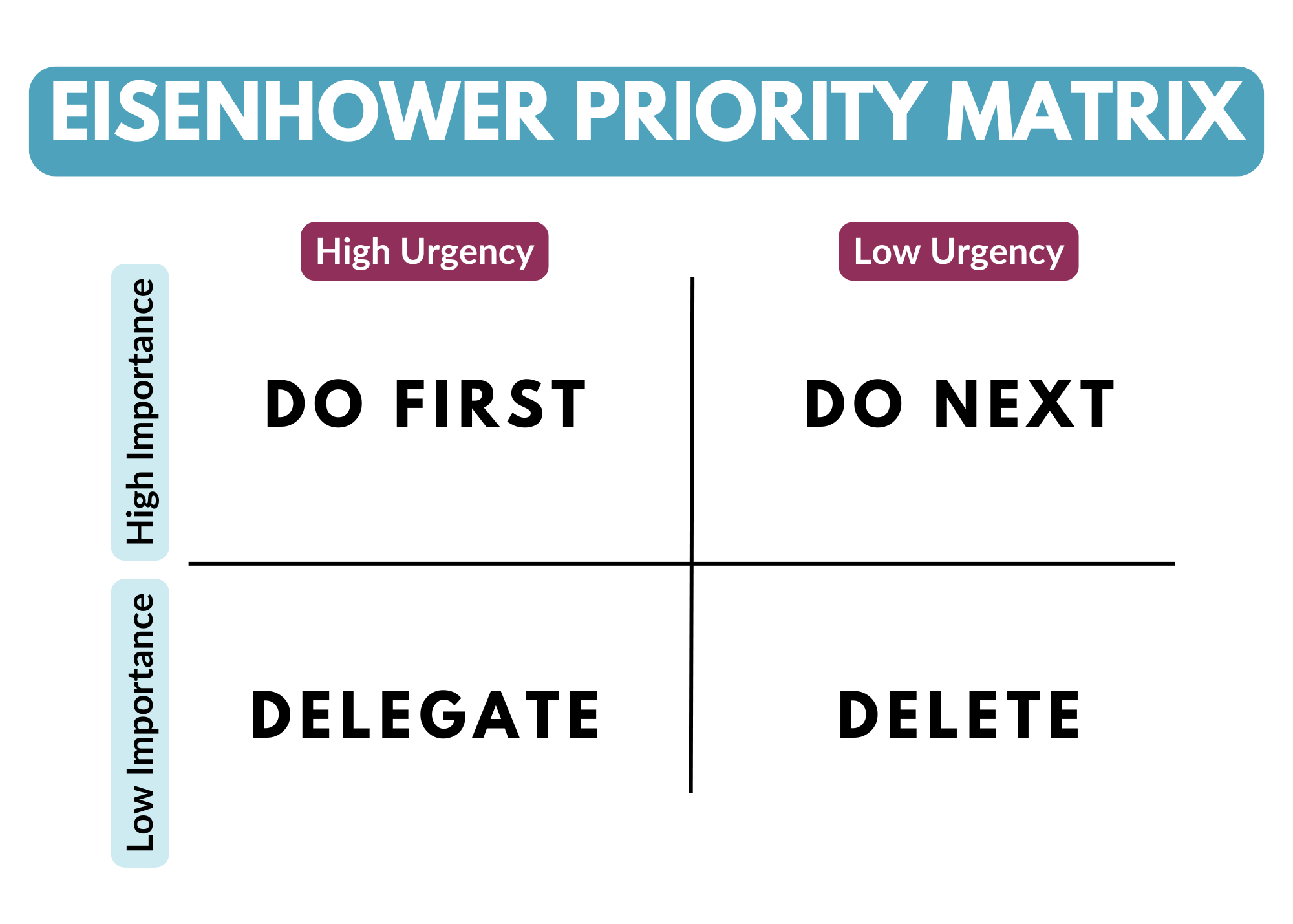
How to prioritize when everything feels urgent
When you're busy and overwhelmed, it can be hard to see your priorities clearly in the moment. What you need is a quick tool you can use each week, day, or hour when you're feeling overwhelmed in order to help you prioritize and know what to focus on next. My favorite way to do this is with the Eisenhower Prioritization Matrix.

Ten habits that quietly cause burnout in leaders
We like to think that the key to burnout prevention is working less, but it's way more complicated than that. You likely have several habits that you think are helping you as a leader but in reality, they're actually causing your burnout and hurting your credibility as a leader. A lot of these habits are what helped you as an individual contributor, and got you where you are today, but they're no longer sustainable.
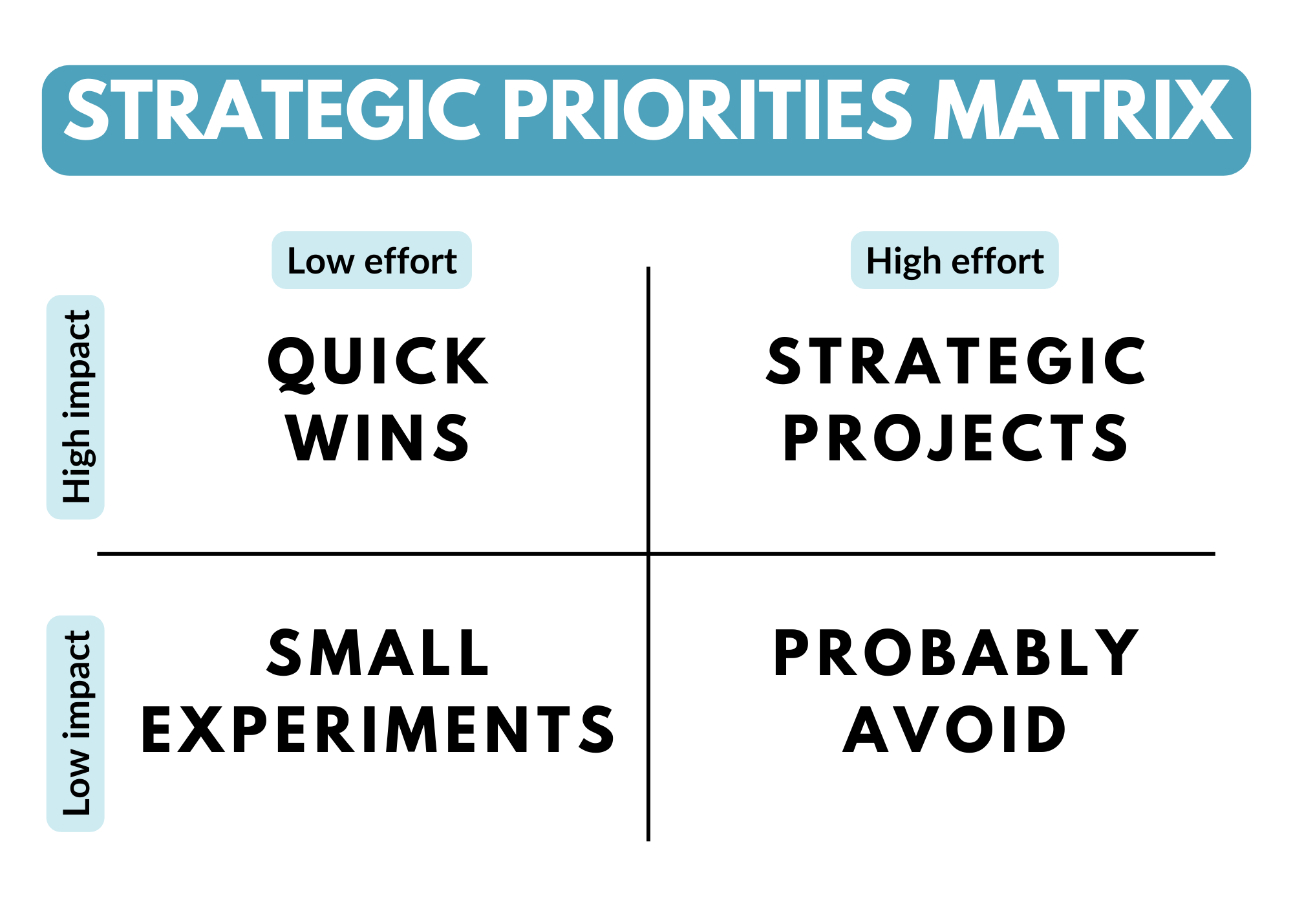
How to strategically prioritize your long-term projects
There are so many different systems and techniques for prioritizing your tasks and projects, but today's framework has become one of my favorites for looking at long-term projects and goals. This is great for any of you who have busy seasons at work, tend to get distracted with new ideas you want to run with, or get overwhelmed when trying to prioritize all the projects on your plate.
Build a system to support your goals - and your team’s - all year long
Did you know only 25% of employees feel involved in goal-setting? And only 22% agree that they have received meaningful feedback in the last week. Let's change that this year with intentional goal planning. Grab your goals, download the Goal Accountability Worksheet, and follow along this month's workshop to plan your goals more intentionally this year.

How leaders can avoid burnout by understanding the causes and support needed
A recent study shows that 66% of US workers are experiencing some sort of burnout in 2025. Whether or not you're currently feeling burnt out yourself, you're likely surrounded by people who are. I want to help you look at burnout from a new lens that can give you tangible ways to think about what causes it, and in turn, what factors we need to focus on to reduce burnout for ourselves and others that we're working with.

Four different types of delegation you need to know
Delegation isn't one-size-fits-all. Learn the 4 types of delegation, when to use each, and how to stop micromanaging your team.

How and when to delegate as a leader
Delegating can be hard for a lot of leaders when it's one of those skills we're rarely taught how to do but need to be able to do consistently and effectively for it to be effective. A privilege of being in a leadership role is that you get to (and need to) do less of the day-to-day execution of the team's tasks so you can be focused on the long-term projects and strategic planning for the team. Continue reading for simple tips on how to navigate this effectively.

Creating a strategic plan for your team’s goals
A strategic plan helps the leaders and teams break their long-term goals into smaller milestones. It creates an action plan to help the teams get started on these goals and helps them know if they are on track toward their goals throughout the year. It can help empower employees at all levels to better understand how their day-to-day work impacts and contributes to the organization's greater mission and annual goals.

15 quick tips to prioritize your goals, schedule, and focus this year
Feeling scattered? These 15 simple, actionable tips will help you prioritize what matters, protect your schedule, and stay focused without burning out.

3 leadership skills that will help you stand out as an emerging leader
Most of the time new managers are promoted into a management role with little to no training on how to manage people. So let's get you set up with three leadership development skills you can start growing today with this mini training. These skills has been chosen purposefully because they have such an impact on the leader, the team, and the organization.

The new manager’s playbook (part 1): expectations for yourself
Starting your first leadership role can be exciting yet intimidating. Setting yourself up in your first 90 days as a new manager can help you build the habits, discipline, and support that you (and your team) need to be successful over the long-term. Part 1 we will cover setting expectations for yourself.